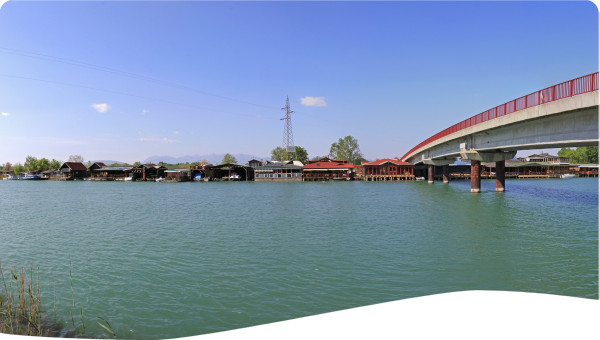
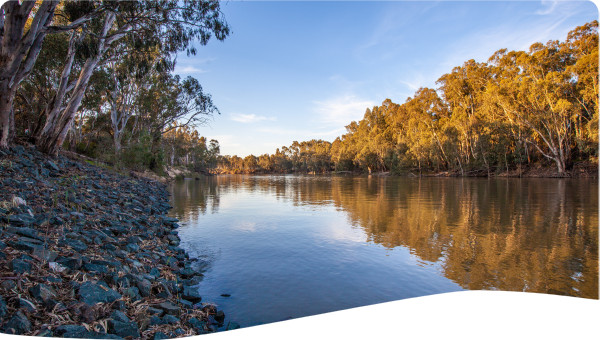
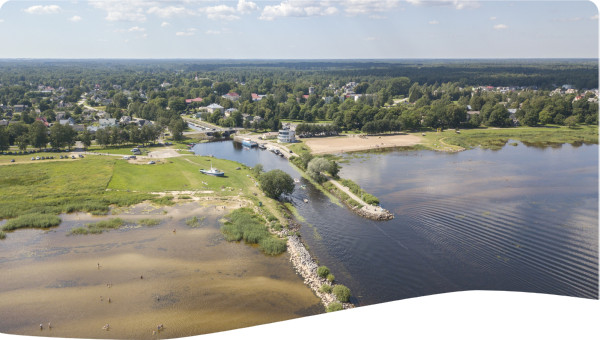
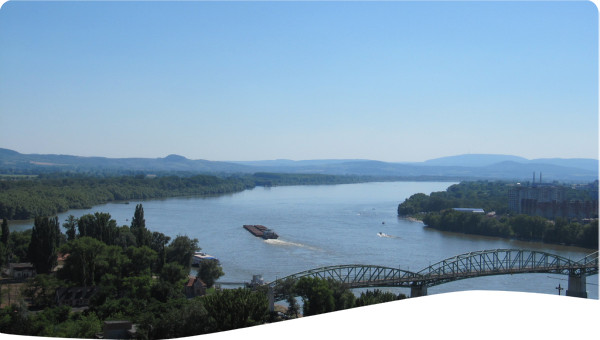
Case studies Case studies Find stories that illustrate practical experiences gathered in the implementation of IWRM. Case studies are submitted by practitioners and professionals from all over the world and reviewed by the GWP knowledge management team. 0 case studies in comparison list Thematic Tagging Transboundary Gender Ecosystems, Energy, Food (Nexus) Youth Water services Urban Private Sector Climate Facet Thematic Tagging Region Central Africa Central America Central and Eastern Europe Central Asia and Caucasus Eastern Africa Mediterranean Other Southeast Asia Southern Africa West Africa Facet Region Country Albania Algeria Australia Austria Benin Bosnia and Herzegovina Bulgaria Burkina Faso Burundi Cambodia Cameroon Central African Republic (the) Chad Croatia Czech Republic Democratic Republic of the Congo (the) Egypt El Salvador Eritrea Estonia Eswatini Ethiopia Germany Ghana Greece Guatemala Guinea Honduras Hungary Kazakhstan Kenya Kosovo Kyrgyzstan Lao People's Democratic Republic (the) Libya Mali Mauritania Montenegro Mozambique Niger (the) Nigeria North Macedonia Republic of Moldova (the) Romania Russian Federation (the) Rwanda Senegal Serbia Slovakia Slovenia South Africa Sudan (the) Tajikistan Thailand Turkmenistan Uganda Ukraine United Republic of Tanzania (the) Uzbekistan Viet Nam Facet Country IWRM Tools A1.01. Preparation of a national water resources policy A1.02. Policies with relation to water resources A1.03. Climate change policies A1.04. Gender and Water Policies A2.01. Ownership and Allocation of Water Rights A2.02. International Water Law A2.03. Integrating legal frameworks for IWRM A2.04. The Rights of Rivers A2.05. Human Rights Based Approach A3.01. National IWRM Plans A3.02. Basin management plans A3.03. Groundwater Management Plans A3.04. Coastal zone management plans A3.05. Integrated urban water management plans A3.06. Integrated drought management plans A3.07. Integrated flood management plans A3.08. National adaptation plans Agriculture Irrigation and Gender B1.01. Regulatory Bodies and Enforcement Agencies B1.02. Local Authorities B1.03. Monitoring and Evaluation Bodies B1.04. Impact assessment committees B2.01. Public sector water utilities B2.02. Private sector water service providers B2.03. Community-based water supply and management organisations B3.01. Transboundary organisations B3.02. National apex bodies B3.03. Civil society organisations B3.04. Basin organisations B3.05. Multi-Stakeholder Partnerships B4.01. Information gathering and sharing networks B4.02. Training water professionals B4.03. Communities of Practice B5.01. Gender Analysis B5.02. Gender Indicators B5.03. Intersectional Methods B5.04. Climate Change and Gender B5.05. Agriculture, Irrigation and Gender B5.06. WASH and Gender Basin Management Plans Basin Organisations Behaviour Change Communication C1.01. Risk assessment C1.02. Vulnerability assessment C1.03. Stakeholder analysis C1.04. Social Assessment C1.05. Ecosystem assessment C1.06. Environmental impact assessment C1.07. Strategic Environmental Assessment C1.08. Transboundary Diagnostic Analysis C1.09. Nexus Framework C2.01. Geographic Information System C2.02. Shared vision planning and collaborative modelling C2.03. Serious Games C2.04. Socio-Hydrological Modelling C2.05. Monitoring and evaluation systems C3.01. Demand efficiency C3.02. Supply efficiency C3.03. Recycle and reuse C3.04. Nature based solutions C4.01. Pricing for water and water services C4.02. Water markets C4.03. Tradable pollution permits C4.04. Pollution charges C4.05. Subsidies C4.06. Payments for ecosystem services C5.01. Youth Engagement and Empowerment C5.02. Behaviour Communication Change C5.03. Virtual Water C5.04. Valuing Water C5.05. Corporate Stewardship C6.01. Negotiation C6.02. Facilitation and Mediation C6.03. Conflict management Civil Society Organisations Climate Change Policies ClimateRelated Financial Disclosures Coastal Zone Management Plans Communitybased water supply and management organisations Conflict Management D1.01. Evaluating Water Investments D1.02. Economic Value of Water D1.03. Business Model Canvas D1.04. Water-Related Financial Disclosures D1.05. Impact Investment Market Maps D2.01. Integrated National Financing Frameworks Demand Efficiency Economic assessment Ecosystem Assessment Environmental Impact Assessment Geographic information system Groundwater management plans Impact Assessment Committees Information Gathering and Sharing Networks Integrated Drought Management Plans Integrated Flood Management Plans Integrated Urban Water Management Plans Investment Analysis Monitoring and Evaluation Systems MultiStakeholder Partnerships National Adaptation Plans National Apex Bodies Nature Based Solutions Payments for Ecosystem Services Policies with Relation to Water Resources Pollution Charges Preparation of a National Water Resources Policy Pricing for Water and Water Services Recycle and Reuse Shadow Pricing Shared Vision Planning and Collaborative Modelling Social assessment SocioHydrological Modelling Stakeholder Analysis Supply Efficiency Tradable Pollution Permits Training Water Professionals (-) Transboundary Organisations Vulnerability Assessment Water Allocation Regimes Water Integrity and Anti-corruption Water integrity and anticorruption Water Markets Water Rights Facet IWRM Tools Sort by A → ZZ → AOldest firstNewest first Apply Case Study Albania and Montenegro: Creating an Integrated Water Resources Plan for the Buna/Bojana Watershed 2017 compare Case Study Australia: The Murray-Darling Basin Commission 2008 compare Case Study Estonia and Russia: Managing transboundary waters in the Lake Peipsi/Chudskoe basin 2013 compare Case Study Hungary/Romania: Transboundary River Basin Management of the Körös/Crisuri River Project 2010 compare Case Study Mozambique: IWRM implementation at Pungwe River Basin in Mozambique 2013 compare Case Study Romania: The Prut Basin wide-approach for nutrient reduction and cross border cooperation 2008 compare Case Study South Africa: Institutional roles in the management of the Komati River Basin 2013 compare Case Study Transboundary: A need for a cohesive international work in the region – Joint Danube Survey 2008 compare Case Study Transboundary: Building Climate Change Resilience through Community Action - the Case of Lake Cyohoha in Bugesera 2017 compare Case Study Transboundary: Establishing a transboundary organisation for IWRM in the Senegal River basin 2013 compare Case Study Transboundary: IWRM Information base for Central Asia 2013 compare Case Study Transboundary: Junction of land degradation, biodiversity loss and water resources management in Kagera and Nyando catchments of Lake Victoria basin 2009 compare Pagination Current page 1 Page 2 Next page Next › Last page Last »